Soul Machines

The Future

We build for the people the world depends on to survive.

We want AI and robotics to be useful in homes, classrooms, and care settings. People should be able to rent what they need, with help to set it up and keep it working.

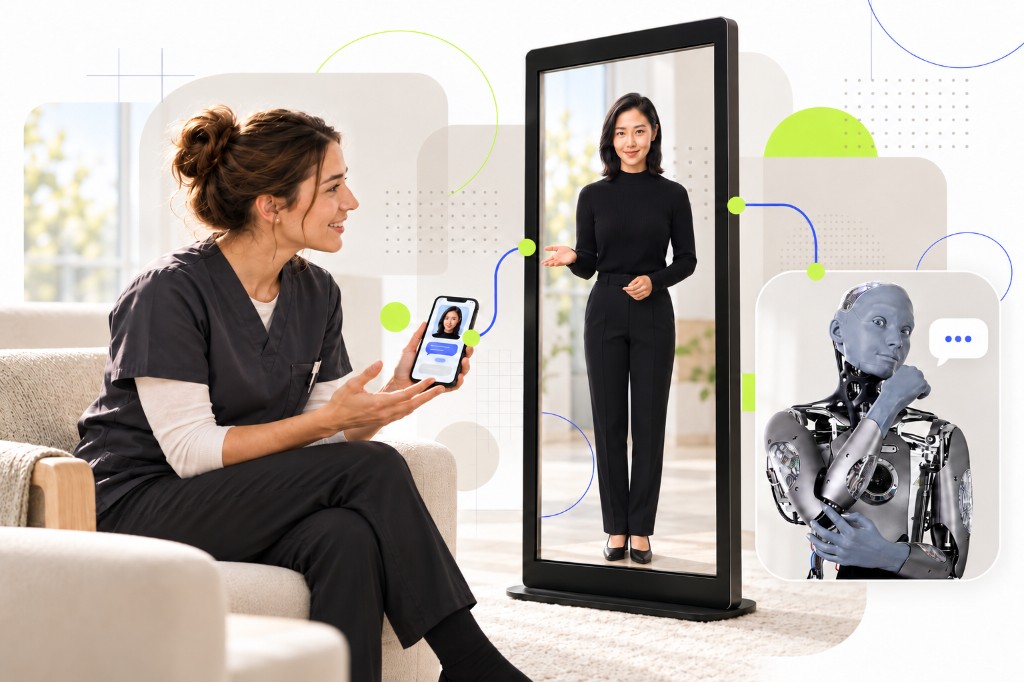
A care worker talking with Hana on a phone and on a life-size display, with Ameca beside them.

01 / Five forms

Pick up where you left off.

You could start a rehearsal by text and continue it with Hana on a screen, or through a robot.

Start with the words.

Find the words you want to use, with time to pause, think and try again. Hana helps you shape your introduction, one question at a time.

This is the start of a conversation you can carry forward. When you’re ready to speak, Hana remembers what you’re practising and the pace you’ve chosen—so you can build on what you’ve already worked through.

Your words become the starting point for what comes next.
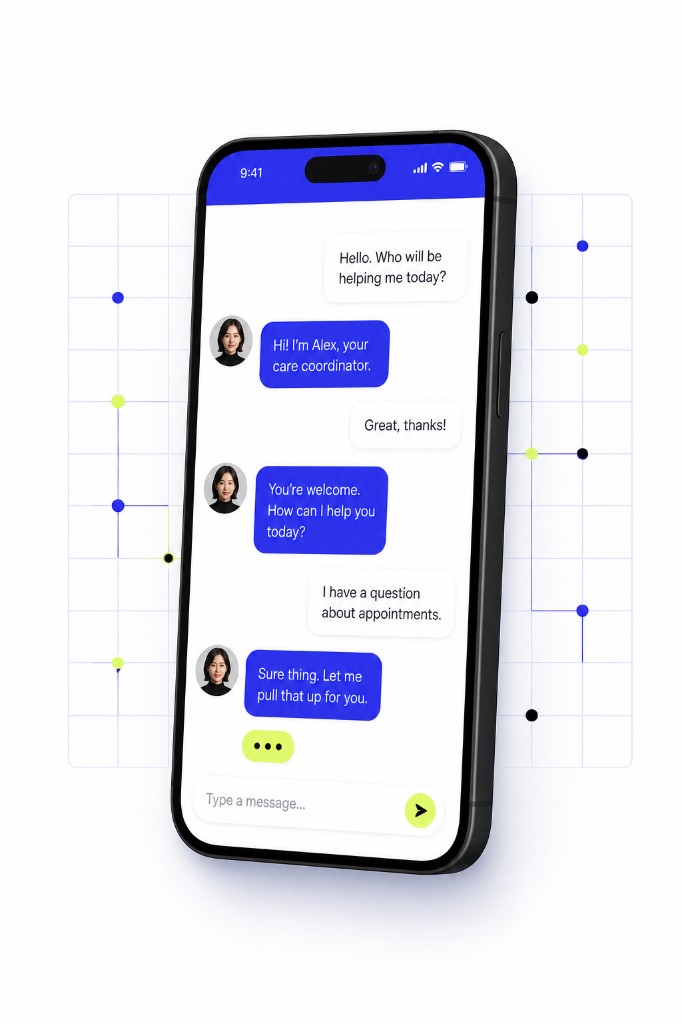
A phone showing a text rehearsal with Hana about introductions.

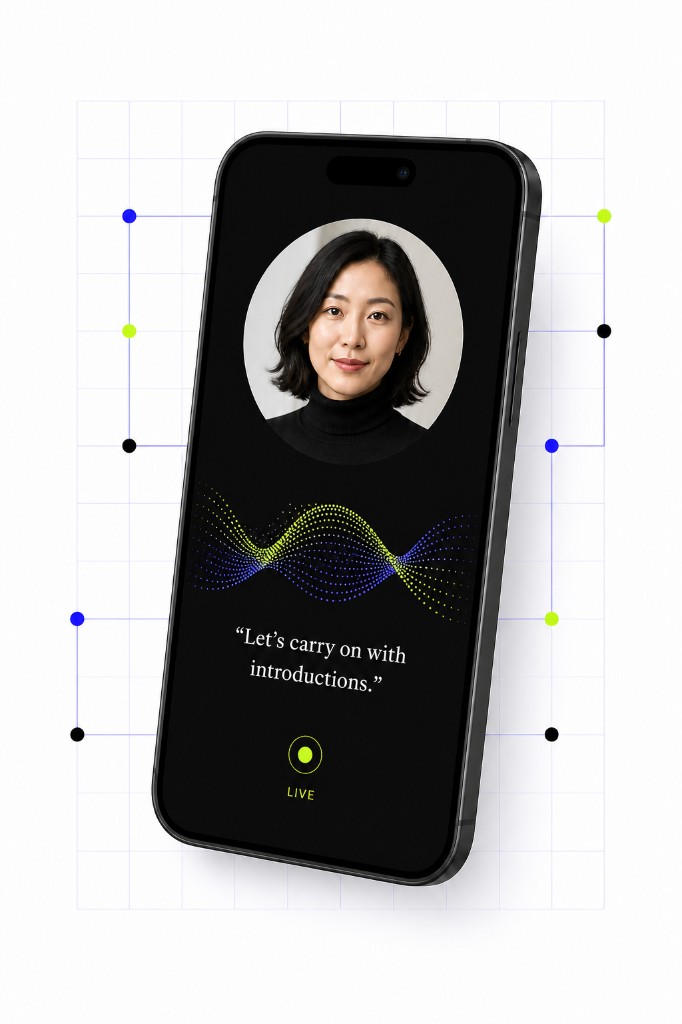
Practise aloud.

Take the introduction you’ve been working on and hear how it sounds. Try different phrasing, get comfortable saying it and find a rhythm that feels like you.

Hana already knows your situation and where you left off. Her familiar personality and approach carry into the conversation, so you can focus on speaking with confidence without explaining everything again.

The same understanding, now in conversation.

A phone showing a voice rehearsal with Hana. The line reads, Let’s carry on with introductions.

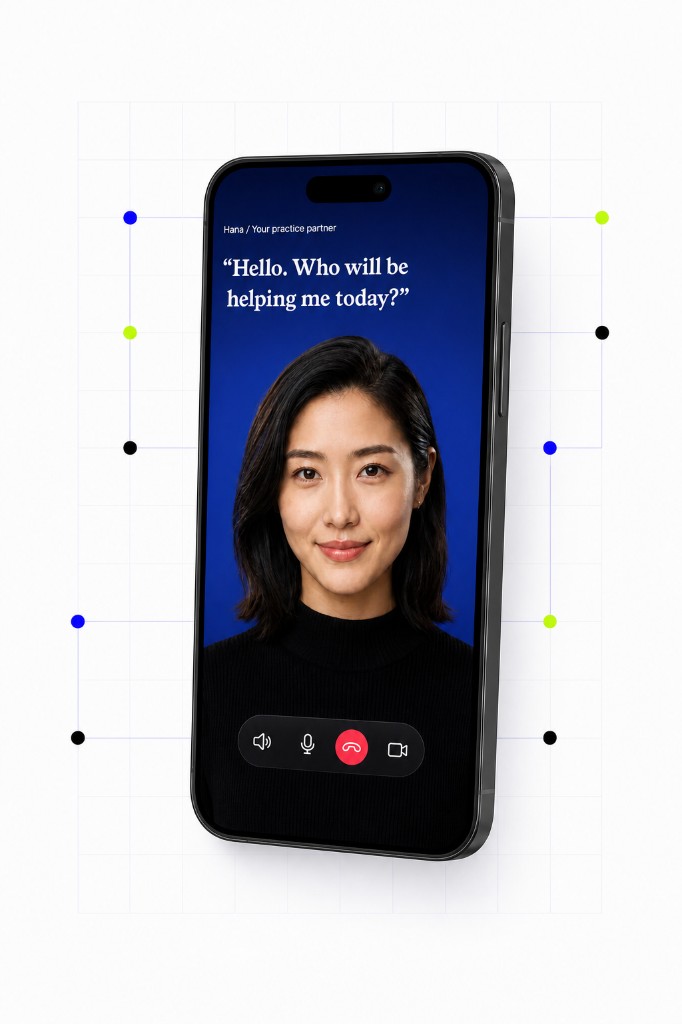
Rehearse face to face.

Bring your introduction into a face-to-face conversation. Practise saying the words to someone, responding to their reactions and getting comfortable with the exchange.

You’re continuing with Hana, who remembers what you’ve worked on and how you like to practise. A familiar face and personality help you take the next step while keeping the progress you’ve already made.

A familiar partner as the practice gets more personal.

A phone showing a face-to-face call with Hana. She asks, Hello. Who will be helping me today?

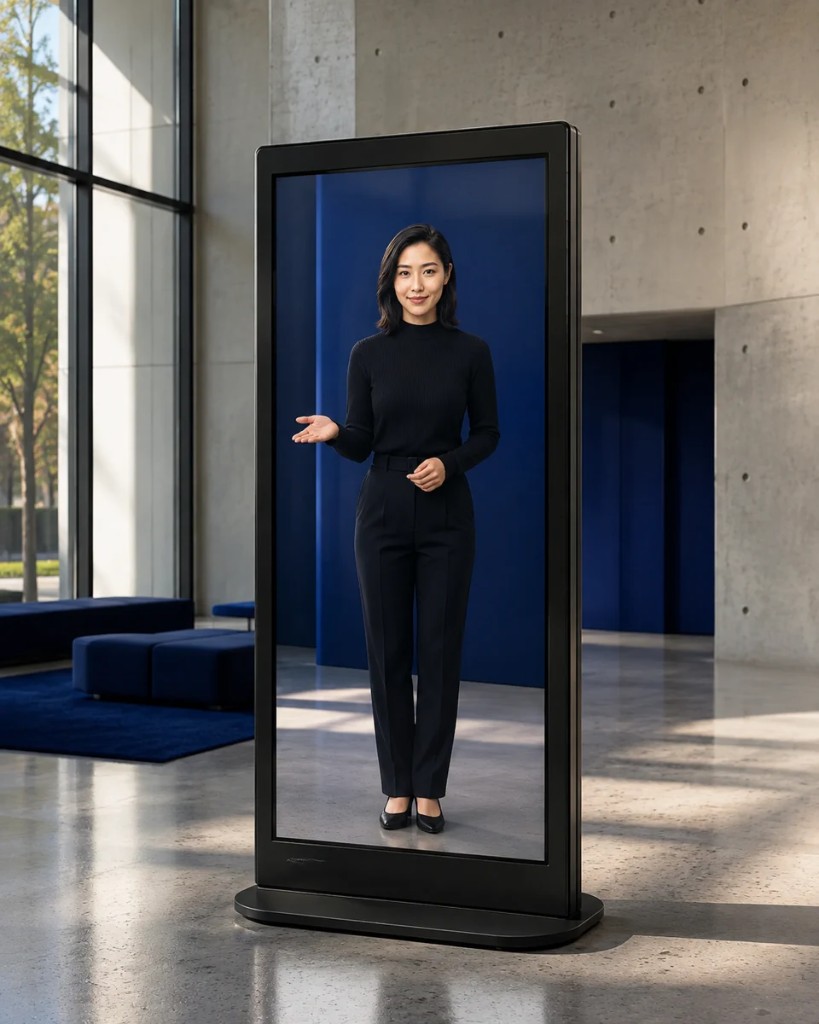
Practise in the room.

Bring the rehearsal into a space where you can stand, speak and practise as you would in person. A life-size Hana could help you prepare for the feeling of meeting someone in the room.

The conversation could move with you, carrying your earlier practice, chosen pace and Hana’s familiar personality into the new setting. Less time getting started again; more time putting your preparation into practice.

Your progress travels with you.

Hana on a life-size display in a lobby, one hand open in a greeting.

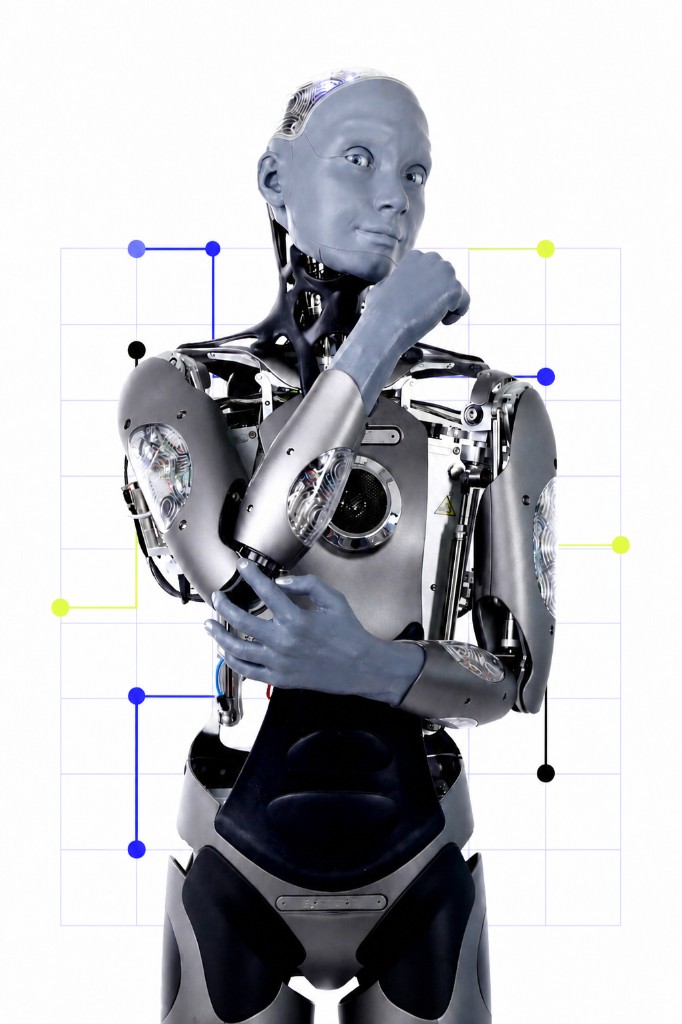
A physical practice partner.

Imagine continuing your rehearsal with a conversational robot that shares the room with you. A chance to practise introductions with a physical presence, building on the confidence you’ve developed through text, voice and screen.

The aim is to bring Hana’s personality, memory and understanding into that interaction. Even as her physical form changes, the relationship and the conversation would carry forward.

A new form. A familiar relationship.

Ameca, a humanoid robot by Engineered Arts, with one hand at her chin.

02 / The setting

Support that fits the person and the situation.

We also want to develop support for learning, companionship at home, and finding your way around a building.

Future experiences to develop with the people who would use them.

Homes & care settings

A familiar companion at home.

For someone living with dementia, we want to explore a familiar character they can return to on a screen or through a home robot. The person and their care team would shape which conversations and routines it supports.

Learning & family life

A lesson, at the learner’s pace.

A parent or teacher could work through an explanation one step at a time. A learner could move from a written example to a spoken one, keeping the topic and pace they chose.

Conferences & workplaces

A welcome. Then a way there.

At a conference or workplace, a life-size avatar or conversational robot could help you find your session or meeting. A separate mobile robot, designed for navigation, could then guide you to the room.

03 / How it is built

Human experience should shape the help people receive.

The system starts with people who know the work. Their demonstrations can inform training and evaluation. Models, agents, avatars, and hardware bring those capabilities into use. Installation and support make them practical.

This connected service is the intended direction, not a single product available today. Remembering a conversation, and contributing data to model training, would be separate choices.

01 / Human experience

Learn how people do the work.

A good explanation involves more than the right words. Timing, judgment and movement matter too. The Ambrosia concept explores how people could contribute decisions, video and motion to AI training, with pay and control over what they share.

What it adds Examples of how people explain, respond and act.

What it needs People’s permission, paid participation and control over their contributions.

Human experience Compute & models

A contributor demonstrates how to introduce themselves and give someone time to respond. That gives training and evaluation a specific example to work from.

02 / Compute & models

Train and test the response.

Compute supplies the capacity to train and run models. Human examples help define the behavior to learn and the situations to test before it becomes part of an experience.

What it adds Capabilities trained and evaluated for a task.

What it needs Relevant examples, evaluation and compute capacity.

Compute & models Agents & memory

The rehearsal needs more than plausible dialogue. The model must be tested on the instructions it is meant to follow, including asking one question at a time.

03 / Agents & memory

Keep track of the task.

The agent connects the model to knowledge and tools, and keeps track of the exercise. We plan to use Devs.ai to build agents that can resume the exercise on another device. People would choose what each agent remembers.

What it adds The exercise, relevant knowledge and chosen context.

What it needs A capable model and clear directions from the person using it.

Agents & memory Face & voice

Hana receives the rehearsal brief: introductions for a new care role, with one question at a time.

04 / Face & voice

Give the conversation a character.

Soul Machines gives the interaction a face and a voice. The aim is a practice partner someone can recognise and return to, while the agent keeps track of what they are working on.

What it adds A recognisable character to speak with and return to.

What it needs Useful responses and behavior suited to the exercise.

Face & voice Bodies & spaces

The rehearsal has a consistent character before it moves to another screen or a physical form.

05 / Bodies & spaces

Choose the form for the setting.

A display can bring the avatar into a training room. A social robot such as Engineered Arts’ Ameca adds physical presence, expression and gesture. Our aim is to connect the character and conversation to the form that suits the setting.

What it adds A screen or physical presence for the conversation.

What it needs The character, the agent and hardware suited to the setting.

Bodies & spaces Access & service

A display or conversational robot could make the rehearsal available in the room where people train.

06 / Access & service

Make it work where it is needed.

Software and hardware need installation, maintenance and support. We want to offer the parts together or separately, so an organisation can use them without assembling and maintaining the whole system itself.

What it adds The equipment and service needed to use the experience.

What it needs Delivery, setup, maintenance and feedback from users.

Access & service Human experience

People try the rehearsal in their training setting. Their voluntary feedback can identify what to change in the exercise, the interaction or the equipment.

References behind the direction

  • Ambrosia

    A concept for learning from human decisions, demonstrations, and movement.

  • Devs.ai

    AppDirect’s platform for building and managing AI applications.

  • Engineered Arts

    Ameca, a humanoid robot for conversation, expression, and gesture.

04 / What you rent

Rent the part you need. Or the whole experience.

A developer may need the avatar. A training team may need a full-length display. A venue may need the hardware, setup, and support for one event.

We want to offer that choice across compute, agents, avatars, displays, and robots. The plan includes designing and building full-length displays, connecting the software and hardware, and providing installation and ongoing support.

The service model, availability, and pricing are still to be defined.

01

Choose what you need.

Use a capability in a system you already have, or bring the parts together as a service.

02

Put it in place.

Get the software, equipment, and setup the setting requires.

03

Keep it working.

Get maintenance and support for the period you need it.

This is the future we want to build.

Explore Soul Machines today, or register your interest in what comes next.

Early access

Put a face on the work your agents do.

We’re opening early access with a small number of teams.

Tell us where to reach you, we’ll bring a digital person to your next call.

You're on the list. We'll write when the preview opens.